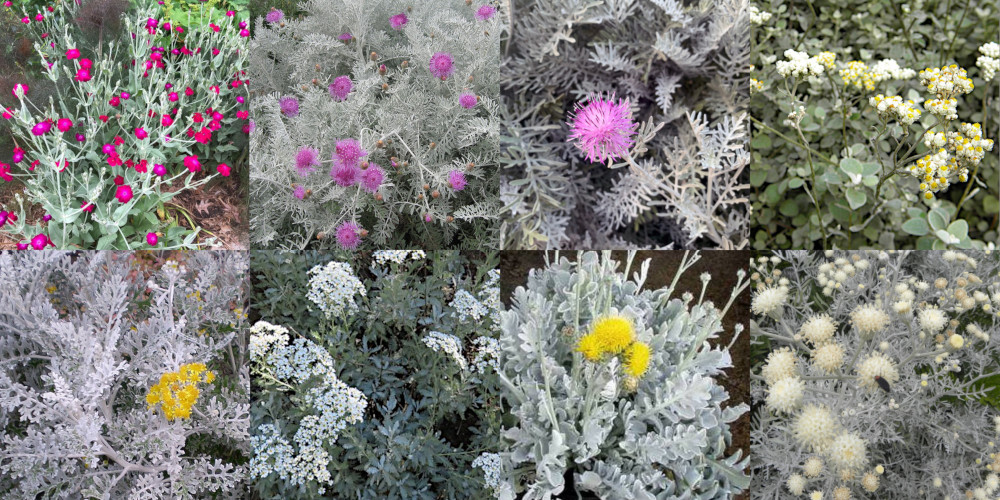
(Plus some other gray leafed plants)
Not that long ago, I happened to mention to a fellow plants-person, who responded “Oh, that one of those gray leafed plants you are always talking about!” (Yes, he was expert at making awkward statements). And while on a garden tour of our friend’s nursery in the south of France, said friend announced “Since we have the world authority on gray leafed Centaureas with us, I’d like to make a small detour from the planned route …”. I looked around eagerly to see whom Olivier was referring! A fellow I did not know behind me chided “He’s talking about you, silly!”
I’d never set out to be any sort of ‘authority’, but as yet another attendee quoted Shakespeare to me later on that garden tour “… some have greatness thrust upon them” (Twelfth Night, Act 2.5).
Doing my best to rise to the task, I have here outlined here various Centaurea species (as well as some other plants) that have been confused with each and/or given the common name of dusty miller at some point in time. (I will try and flesh out plant profiles for each of them over time):
Centaurea argentea – native to Crete (flowers vary from yellow to cream to white); historically has been assumed to be C. ragusina, rare in gardens

Centaurea candidissima – an old name that has been confusingly applied to various species over time, not considered valid
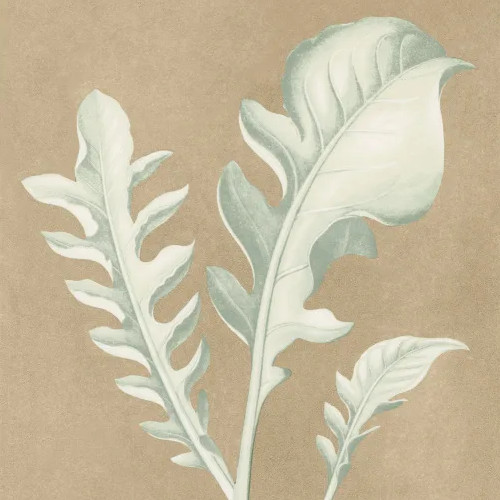
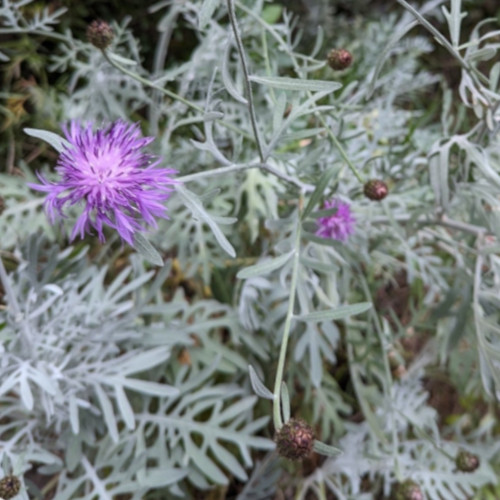
Centaurea cineraria – native to the coasts of south-west Italy; rare in garden, though nurseryman Olivier Filippi has sold a form of this for decades.
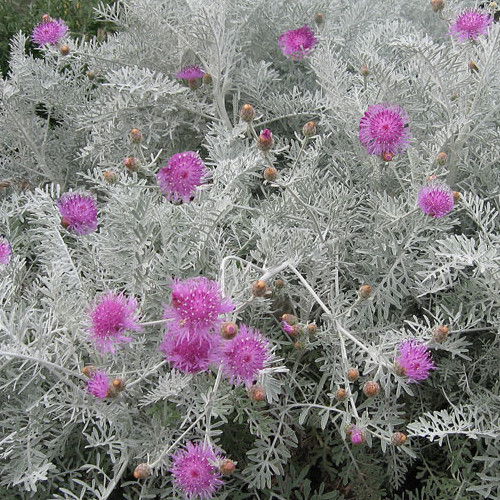
Centaurea hybrid (cineraria + gymnocarpa) – quite common in gardens worldwide; sterile and vigorous; RDNA testing done at my request shows that the seed parent of this plant was C. cineraria and morphology shows that C. gymnocarpa was the pollinator; often named C. gymnocarpa in the nursery trade)
Centaurea clementei – native to southern Spain; rare in gardens; has been confused with C. ragusina which is regularly grown in historic Spanish gardens

Centaurea gymnocarpa – endemic to Isola Capraia in the Tuscan archipelago, endangered; this true C, gymnocarpa is almost never grown in gardens
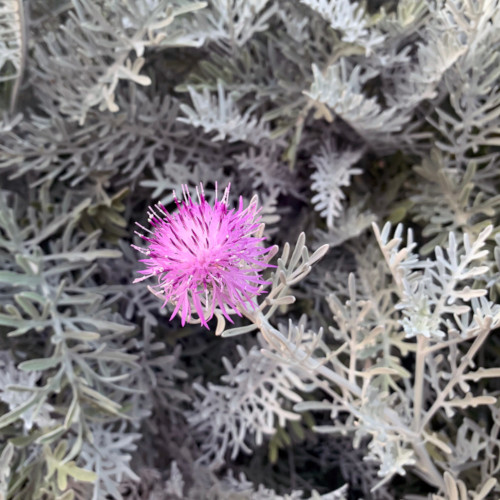
Centaurea ragusina – native to the coast and island of Croatia; decades ago this was the main dusty miller in the nursery trade
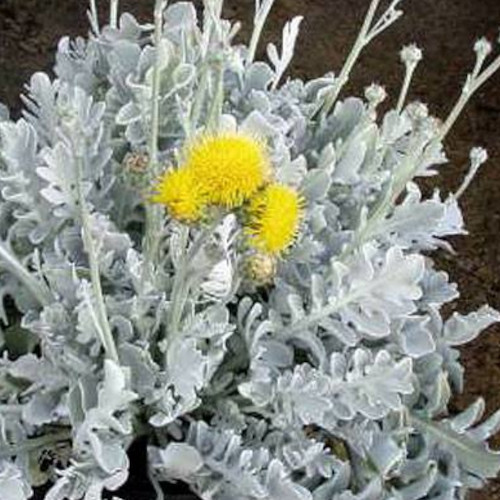
Other plants that have been called by the common name of dusty miller:
Gonospermum ptarmiciflorum (formerly Chrysanthemum then Tanacetum) – native to the Canary Islands; enjoyed brief fame in the nursery trade as ‘silver lace dusty miller’
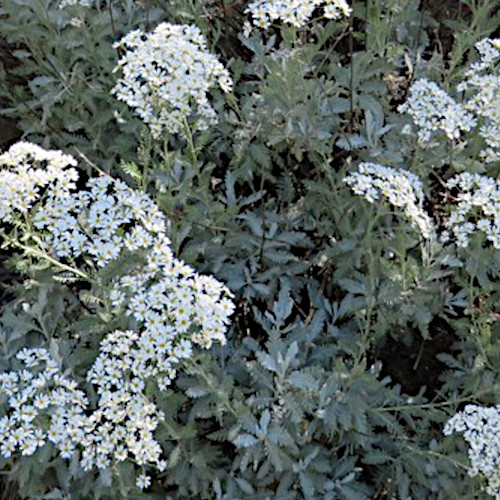
Helichrysum petiolare – native to South Africa; has been called ‘trailing dusty miller’ at times; proving to be invasive in several climates
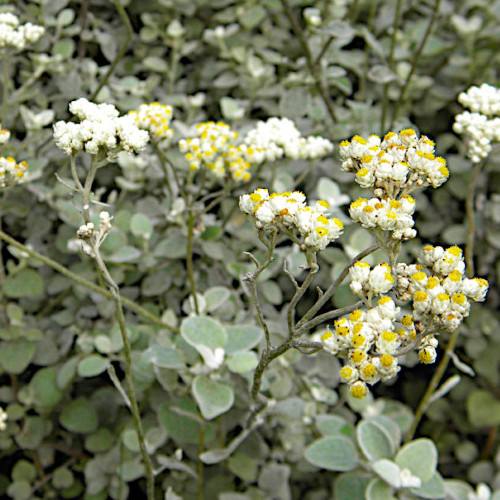
Jacobaea maritima (formerly Senecio) – Mediterranean native, replaced Centaurea ragusina in the dusty miller of the nursery trade in California in the 1970s and still the most common; many leaf forms, still quite popular; quick but somewhat weedy, untidy
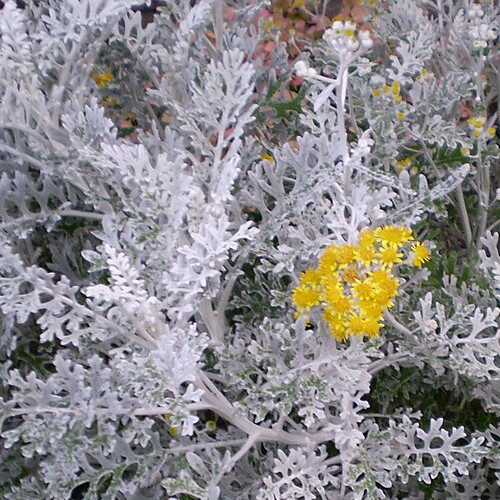
Primula auricula – an alpine plant native to central Europe; the oldest recorded plant I can find called by the name dusty miller – some forms have various amounts of white ‘meal’ on leaves and flowers, still a popular pot plant in England & Europe
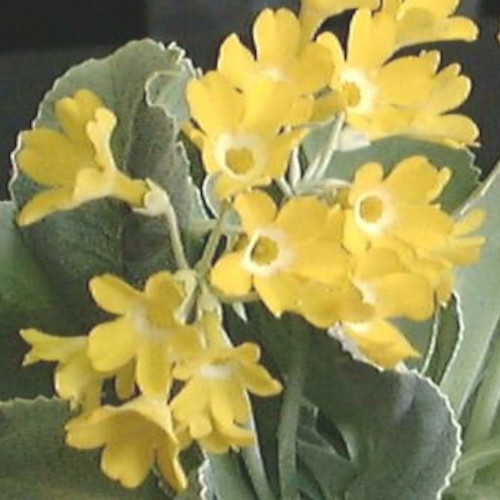
Senecio candicans – newish introduction; called ‘angel wings dusty miller’; dramatic, slugs and snails can easily ruin the large silver leaves
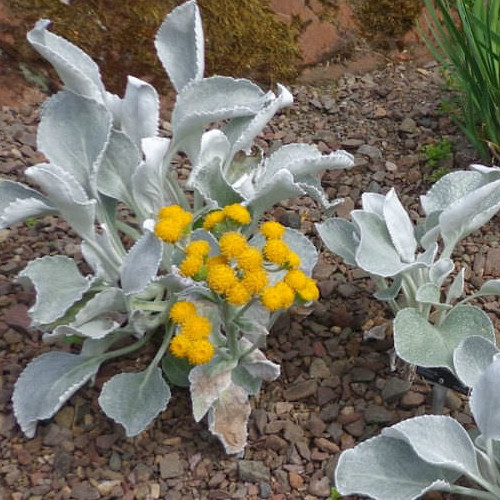
Senecio viravira (S. leucostachys) – native to Argentina, now somewhat hard to find; was called ‘shrubby dusty miller’ as it grows into a good sized mound

Silene coronaria (formerly Lychnis or Agrostemma) – native to Eurasia; has been called dusty miller, mullein pink, and bloody William; the stems were also used as wicks for ancient oil lamps

 gardening in mediterranean climates worldwide